Driving in the blazing sun can turn your vehicle's interior into an absolute oven. If you have ever grabbed a scorching steering wheel, burned your legs on hot leather seats, or squinted through relentless glare during a late afternoon commute, you know exactly how frustrating an unprotected car cabin can be. This is where high-quality auto window tinting comes into play. Not all window films are created equal, and one particular option has completely taken the automotive aftermarket world by storm: ceramic tint.
But with a higher price tag and a market full of cheaper alternatives, you might be wondering: Is ceramic tinting right for you? We want our customers to make informed decisions about their vehicle upgrades. In this comprehensive guide, we will break down exactly what ceramic tint is, how it performs under pressure, and whether it is the best investment for your daily drive.
Understanding the Landscape of Auto Window Tinting
Before diving into the specific mechanics of ceramic films, it is essential to understand the broader landscape of auto window tinting. Historically, car owners had limited and flawed choices when they wanted to darken their windows. Dyed window tints were the most common and affordable. They offered a darker aesthetic but did very little to actually block the sun's penetrating heat. Worse, they were prone to fading and turning purple over time.
Later, metalized tints emerged, utilizing tiny metallic particles to reflect heat and UV rays. While highly effective at cooling the interior, these metallic films created a mirror-like exterior and often interfered with GPS, cellular, and radio signals. Eventually, carbon tints offered a dark, matte finish with decent heat rejection and zero signal interference, serving as a solid middle-ground option. However, as manufacturing technology advanced, engineers developed a product that outperformed all previous iterations by utilizing nanotechnology. This revolutionary leap brought ceramic films to the forefront, setting an entirely new global standard for durability, clarity, and passenger comfort.
Analyzing the Technology Behind Ceramic Window Films
So, what exactly makes ceramic tint so special compared to the older generations of film? Unlike older dyed or metalized films, ceramic window films do not rely on carbon composites, cheap dyes that fade, or metals that block radio waves. Instead, they are infused with microscopic, non-conductive ceramic nanoparticles. These particles are incredibly tiny—completely invisible to the naked eye—yet profoundly effective at manipulating how solar energy interacts with your vehicle's glass.
Because the materials are inherently non-metallic, they allow for perfectly clear electronic signal transmission. You can use your smartphone, GPS navigation, automated toll passes, and satellite radio without experiencing any frustrating drops in connectivity. For modern vehicles packed with sensors and electronic communication devices, this non-conductive property is absolutely crucial. Furthermore, the structural integrity of these ceramic nanoparticles means the film is highly resistant to fading, bubbling, or degrading over time. When you invest in this top-tier auto window tinting option, you are paying for advanced engineering that remains chemically and structurally stable even under the harshest, most prolonged UV exposure.
Exploring the Benefits of Premium Ceramic Films
The advantages of choosing this advanced film go far beyond simply making your car look sleek and mysterious. First and foremost is unparalleled heat rejection. Ceramic nanoparticles excel at blocking infrared light, which is the primary type of solar energy responsible for heating up your car's interior to uncomfortable levels. By rejecting a high portion of this specific infrared heat, ceramic films keep your cabin significantly cooler. This dramatically reduces the burden on your vehicle's air conditioning system, which can help save battery life in electric vehicles and potentially improve fuel efficiency in gas-powered cars.
Beyond temperature control, safety and health play a massive role in the appeal of ceramic technology. According to Autotrader, premium ceramic tint cuts out glare and blocks nearly 100% of harmful UV rays. This near-total UV blockade acts as a permanent layer of heavy-duty SPF for your vehicle's interior. It protects your expensive dashboard, leather seats, and plastic trims from drying out, cracking, and fading prematurely. More importantly, it protects you and your passengers from the harmful radiation that contributes to premature aging and skin cancer. Additionally, the impressive glare reduction makes driving much safer, minimizing the blinding effect of oncoming headlights at night or a low-hanging sun during your evening commute. For drivers seeking the highest possible performance from their auto window tinting, these functional benefits are simply unmatched.
Evaluating the Cost of Advanced Auto Window Tinting
There is one undeniable factor that gives some vehicle owners pause before pulling the trigger: the price. It is no secret that ceramic films represent a premium category in the world of auto window tinting. On average, purchasing and installing a high-quality ceramic film will cost noticeably more upfront than outfitting your car with a standard dyed or carbon film. However, accurately evaluating this cost requires looking at the long-term value rather than just the initial invoice.
Because cheaper dyed films degrade, fade, and lose their minimal heat-rejecting properties over just a few years of sun exposure, they often need to be completely stripped and replaced. This effectively doubles your cost over the lifespan of the car. Ceramic films, on the other hand, are designed to last the entire lifespan of your vehicle without losing their efficacy. When you factor in the extended longevity, the money saved on potential interior upholstery repairs, and the sheer daily comfort provided by superior heat and UV rejection, the return on investment becomes incredibly clear. It is not just an aesthetic upgrade; it is a functional, protective enhancement that helps preserve the resale value of your vehicle over time.
Deciding If Ceramic Tinting Is Right for Your Vehicle
Now comes the ultimate question: should you make the upgrade? The answer largely depends on your specific lifestyle, your local climate, and how you actually use your vehicle. If you live in an area that experiences intense, prolonged summers, the heat rejection capabilities of ceramic films will quickly feel like an absolute necessity rather than an optional luxury. Similarly, if you spend hours commuting every week, frequently take long family road trips, or drive for rideshare services, the enhanced cabin comfort and relentless UV protection are well worth the initial investment.
Conversely, if you are simply leasing a vehicle for a short period, or if you are driving an older commuter car that you plan to sell in a few short months, a more budget-friendly auto window tinting option like a standard carbon film might make more financial sense for your current situation. Ultimately, ceramic is specifically formulated for the driver who views their car as a long-term asset and prioritizes premium comfort above all else.
Choosing the Right Installers for Auto Window Tinting
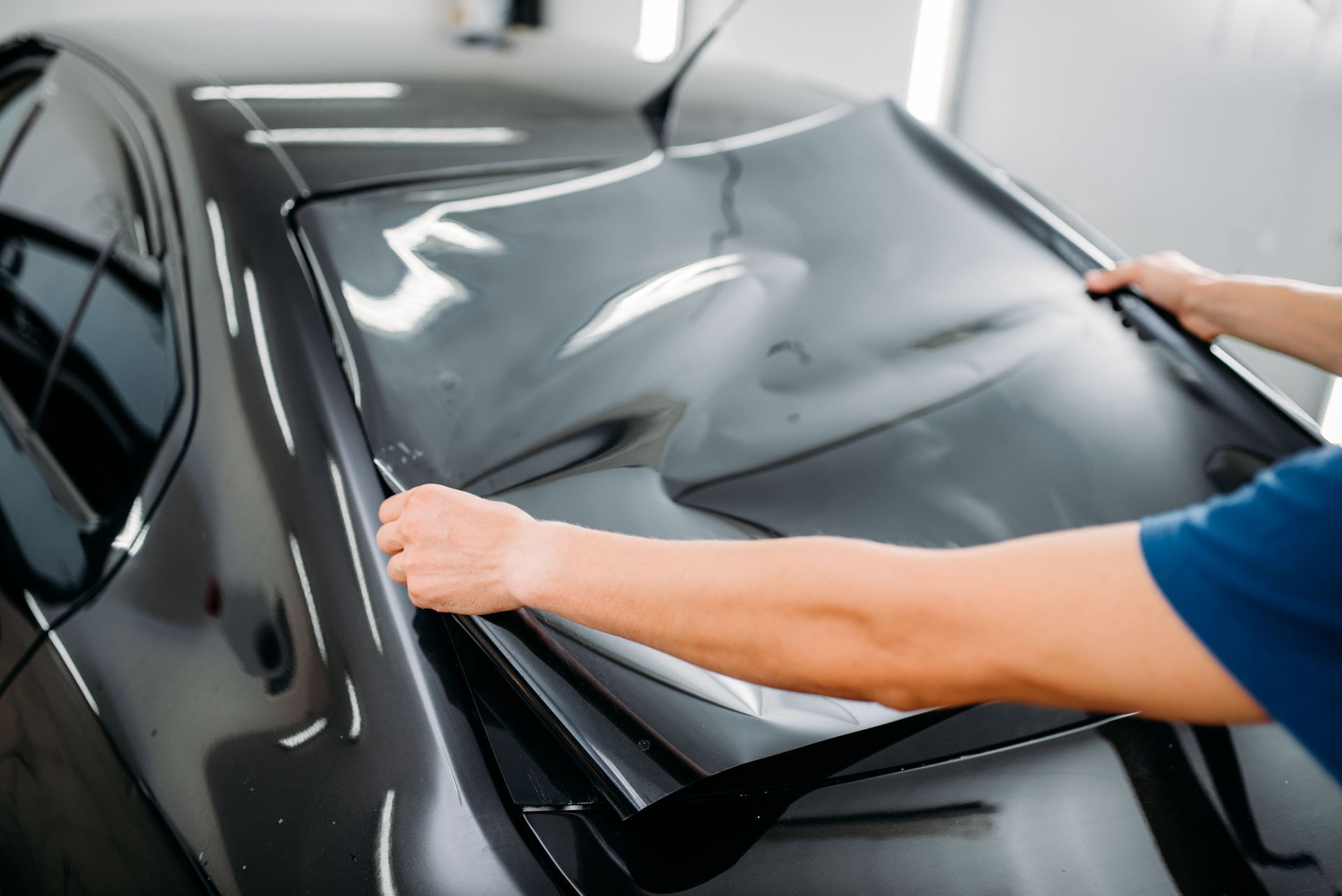
Even the highest quality ceramic film on the market will fail if it is not installed correctly. Unlike cheaper, thinner films, ceramic tint is notoriously unforgiving during the installation process. Because the material is thicker and more rigid to accommodate the nanoparticle layers, it requires a pristine, dust-free environment, specialized shrinking tools, and the steady hand of an experienced technician. Bubbles, hard creases, trapped debris, and peeling edges are all common consequences of a poor, rushed DIY installation job, instantly ruining both the sleek look and the functional benefits of the film.
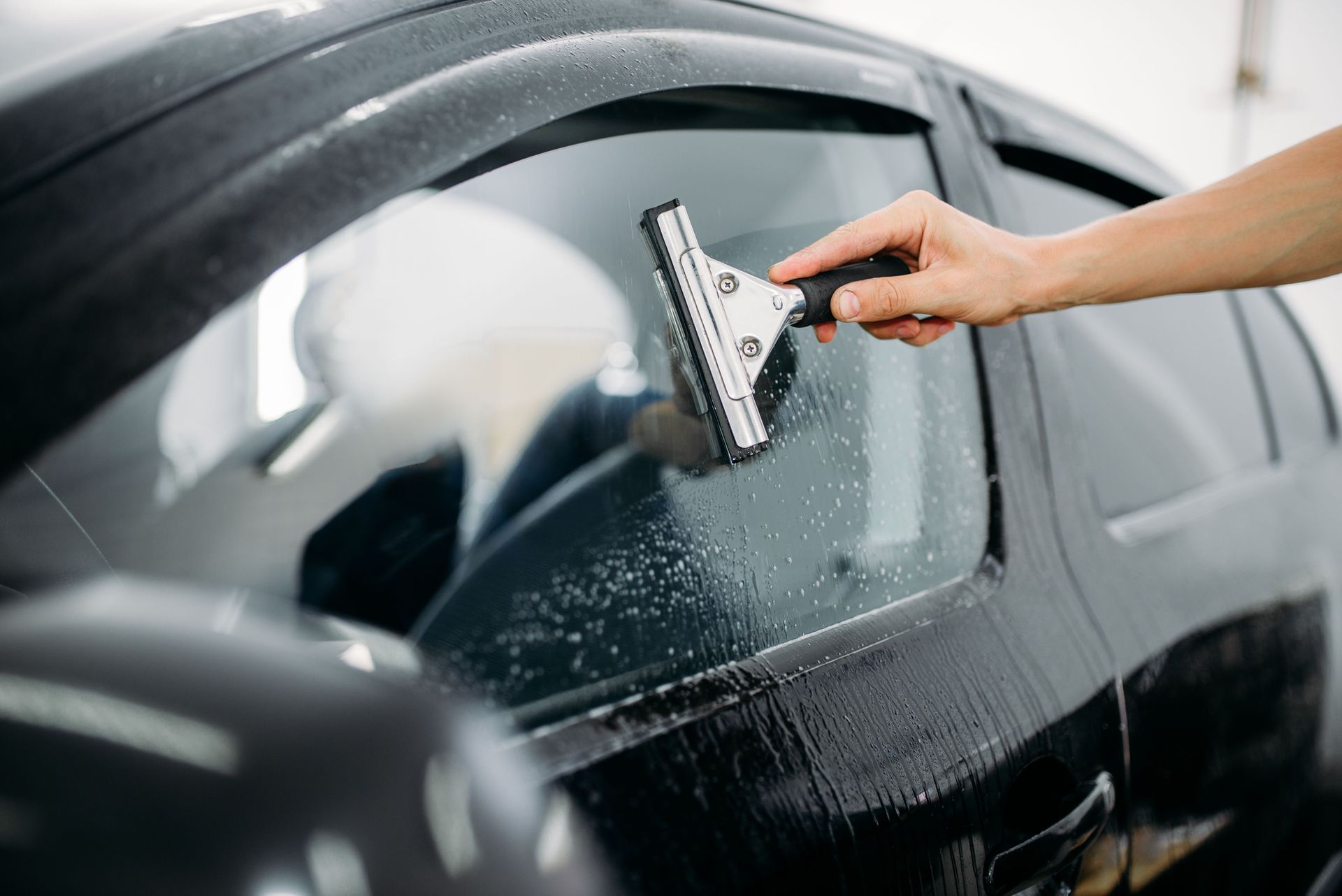
This is exactly why it is crucial to trust a professional shop with your vehicle. Our dedicated technicians have years of hands-on experience mastering the intricacies of auto window tinting. We understand the precise heat-shrinking and squeegee techniques required to mold thick ceramic films perfectly to the complex, sweeping curves of modern automotive glass. Choosing a reputable, highly rated installer ensures that your financial investment is protected by a flawless, factory-like finish and supported by a robust manufacturer's warranty.
If you are ready to experience the absolute pinnacle of auto window tinting, our professional team is here to help make it happen. Contact us at Fresh Window Tint Inc to explore our premium ceramic options, ask any questions you might have, and let our installers transform your vehicle into a cooler, safer, and much more stylish sanctuary.